

(800) 337-4002
call for your free personal
injury case consultation
Available 24/7
injury case consultation
Available 24/7

Police, insurance companies, and even judges weigh numerous factors to determine who is at fault for an accident. The vehicle’s location, damage, witness statements, and video footage are some examples of evidence from the accident scene that could provide insight into who is at fault. Gathering evidence to prove fault is not always easy, especially when people disagree about what happened. Speak with a reputable Lexington car wreck lawyer about your case today in a free case review.
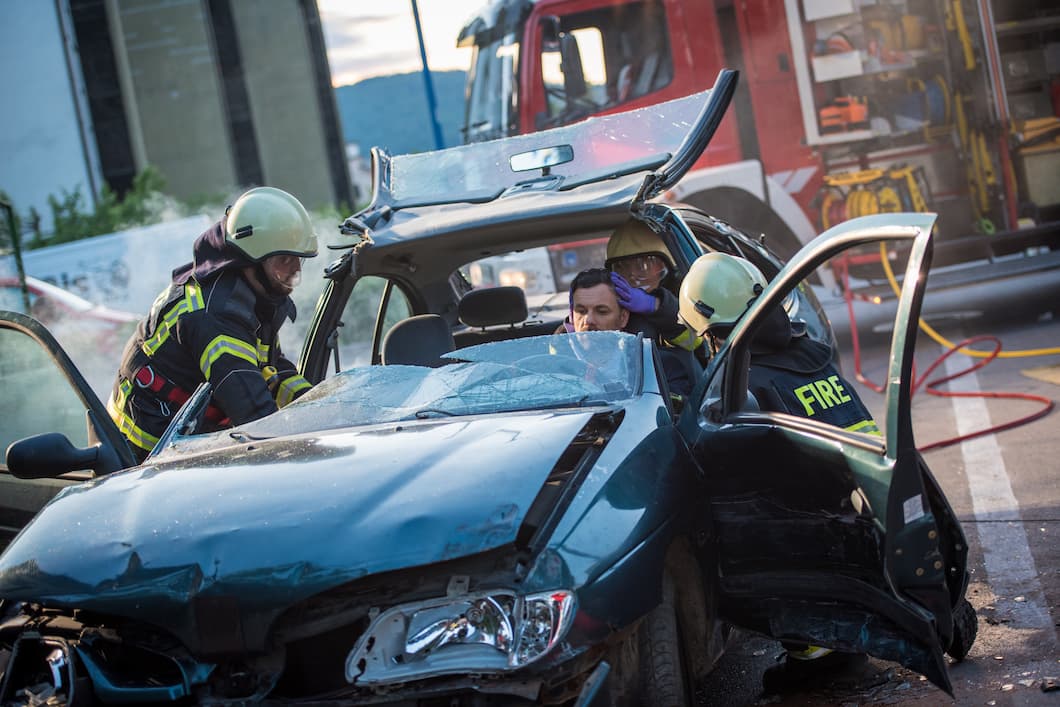
One of the ways police can determine fault in a car accident is by looking at the damage at the scene of the accident. The location of each vehicle, the amount of damage to each, and any debris on the roadway can contribute to this decision. Consider some examples.
Every detail in these accidents gives police insight into what occurred. With experience and a knowledge of physics, it is often possible to piece together what occurred.
Injured in Lexington?
Reach Out to Our Lexington Car Wreck Lawyers Today
Speeding is a common factor in car accidents, but proving a driver was operating at an unsafe speed is not simple. Video from various sources could help. However, that is rarely available. Accident reconstruction may help show that one driver was operating at a higher rate of speed.
It is a misconception that the driver with the most damage caused the accident. The extent of the damage depends on various factors. Police and investigators will look at the size, weight, and design of the vehicle to determine if there are clues.
A smaller car with significant damage from a larger car could be the vehicle at fault or not. New cars also have improved designs that absorb more of the impact of the crash at the bumper, making them look far less intense.
In complex and serious cases, insurance companies will use an accident reconstructionist to gather evidence and piece together what occurred. They examine that evidence and then offer an opinion based on damage location, the significance of the damage, whether someone failed to brake, or if, potentially, distraction was involved. Because Kentucky is a choice no-fault state, it is possible that this type of work is not necessary if damage is minor.
Even in these situations, it is possible that the insurance company, or even the police, may get the fault determination wrong. By working with a Lexington injury attorney at Gary C Johnson, P.S.C., you gain access to resources and tools that may help you prove those errors and pursue a claim.